llm A field note by Vikrant Sharma
Rio's open-source LLM was just a rebadged merge
A city government announced a locally trained language model. Turns out it was two existing models stitched together with the weights renamed.
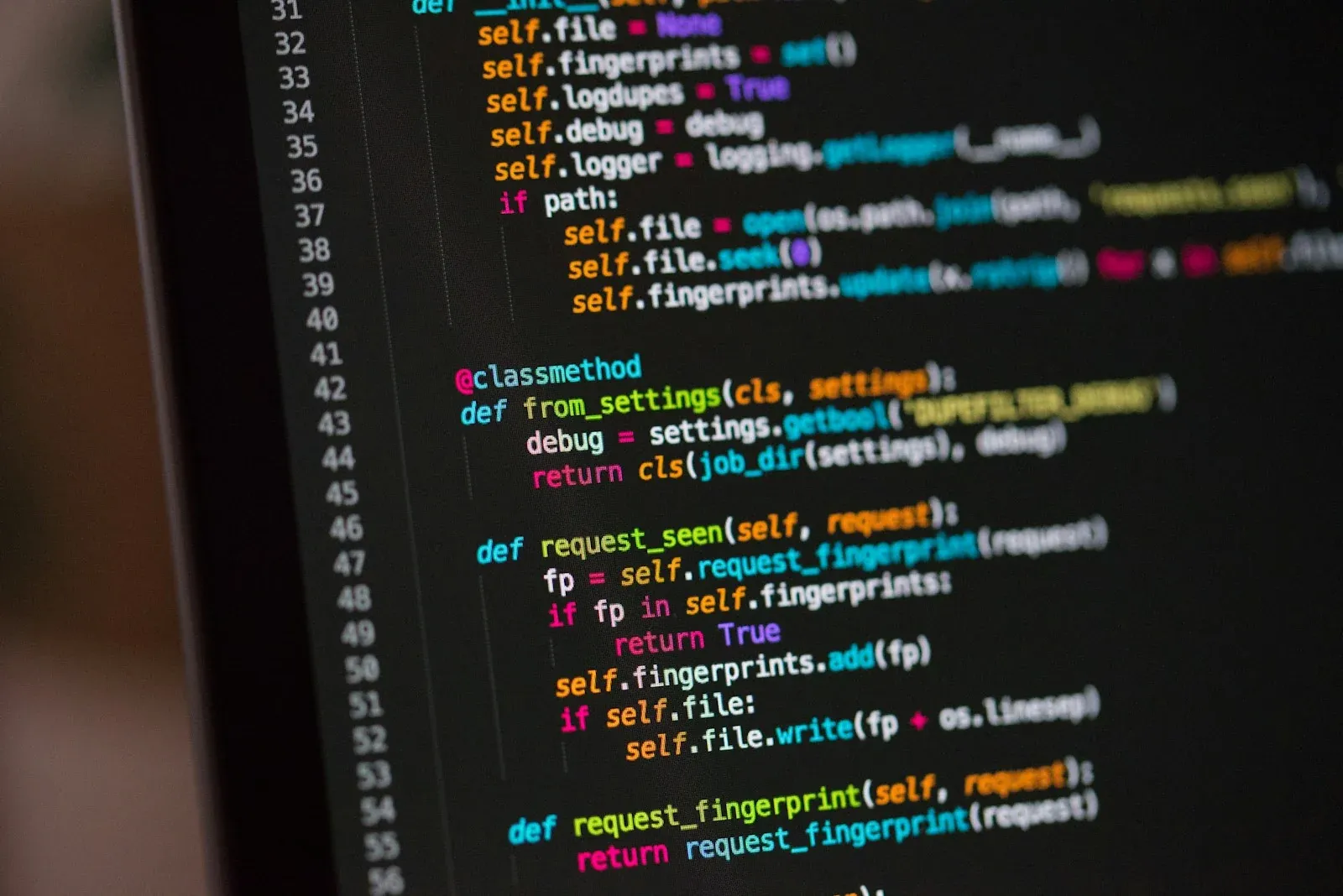
Rio de Janeiro announced an open-source language model trained locally. The GitHub issue shows it was actually a merge of Qwen and DeepSeek models with the layer names changed. Someone ran a diff on the model architecture and found identical weight patterns. The merge config was still in the repo metadata. No original training logs, no dataset documentation, no compute receipts. Just two existing models combined using mergekit and renamed to sound local. This is not about technical capability. Merging models is a legitimate technique. The issue is claiming you trained something from scratch when you ran a merge script. Government credibility matters when you are positioning the project as homegrown AI infrastructure. The interesting part is how long it took to catch. Model merges are not always obvious from the output alone. You need to inspect the weights or the config files. Most users would never check. They would see the announcement, assume local training, and cite it as proof of regional AI development. I have seen startups do this with fine-tuned models. They rebrand an open-source base, add a thin adapter layer, and pitch it as proprietary. That is fine if you are honest about the stack. The problem starts when the pitch implies you built the foundation. Model cards exist for this reason. Document what you started with, what you changed, and what compute you used. If you merged two models, say that. If you fine-tuned on local data, show the dataset stats. Transparency costs nothing except the temptation to oversell. Rio could have said they merged two strong models and customised them for Portuguese-language tasks. That would have been a reasonable project. Instead they implied training from scratch and got caught by someone who knows how to read a checkpoint file. Next time I see a regional AI announcement, I am checking the GitHub repo before the press release.
Source: Rio de Janeiro’s “homegrown” LLM appears to be a merge of an existing model