machine-learning A field note by Vikrant Sharma
Google wants to run ML training in orbit
Project Suncatcher is Google's proposal to deploy GPU clusters in low Earth orbit. The pitch is simple: space is cold, solar power is free, and latency to ground stations is acceptable for batch jobs.
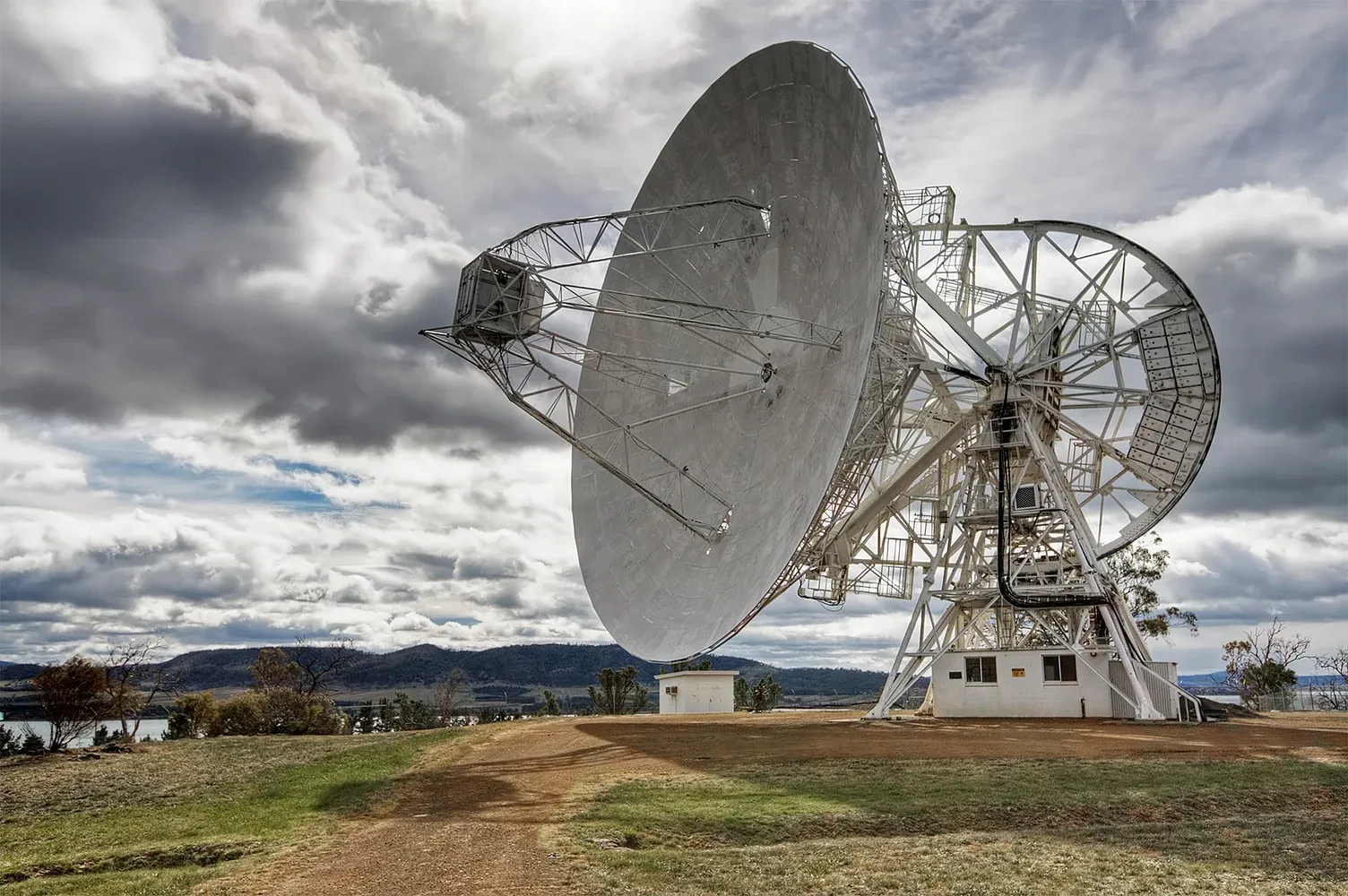
Google published a research blog about Project Suncatcher, their concept for putting ML training infrastructure into low Earth orbit. The core idea is that space solves two expensive problems at once: cooling and power. Data centres spend absurd amounts on cooling. Google’s post mentions that thermal management is one of the top operational costs for GPU clusters. In space, radiative cooling is free. You point the cold side of your satellite away from the Sun and dump heat into the vacuum. No chillers, no water, no compressors. Power is the other win. Solar panels in orbit get consistent sunlight without atmospheric loss or night cycles. The article claims that a satellite in the right orbit could generate power at a fraction of terrestrial grid costs, especially when you factor in the carbon footprint of coal or gas peaker plants that handle data centre load spikes. The latency concern is real but not a dealbreaker for training. Suncatcher is aimed at batch workloads like pre-training foundation models, not inference. If your training run takes three weeks, an extra two hundred milliseconds of round-trip time to sync gradients does not ruin the math. Google’s engineers ran simulations showing that distributed training over satellite links is viable as long as you batch aggressively and use compression on the gradient updates. The wildcard is launch cost. Even with reusable rockets, putting a hundred tonnes of GPUs and cooling radiators into orbit is not cheap. Google’s blog does not publish a cost model, which means either the economics are speculative or they are not ready to defend them publicly. My guess is this is a ten-year horizon project, not a 2027 product. Still, the thermal and power advantages are hard to ignore. If launch costs keep falling and model sizes keep growing, training in space starts to look less like science fiction and more like infrastructure arbitrage.
Source: Google’s Project Suncatcher to put ML infrastructure in space