machine-learning A field note by Vikrant Sharma
Etched built an ASIC that only runs transformers
A startup ditched everything GPUs do well and made a chip that runs one architecture 20 times faster.
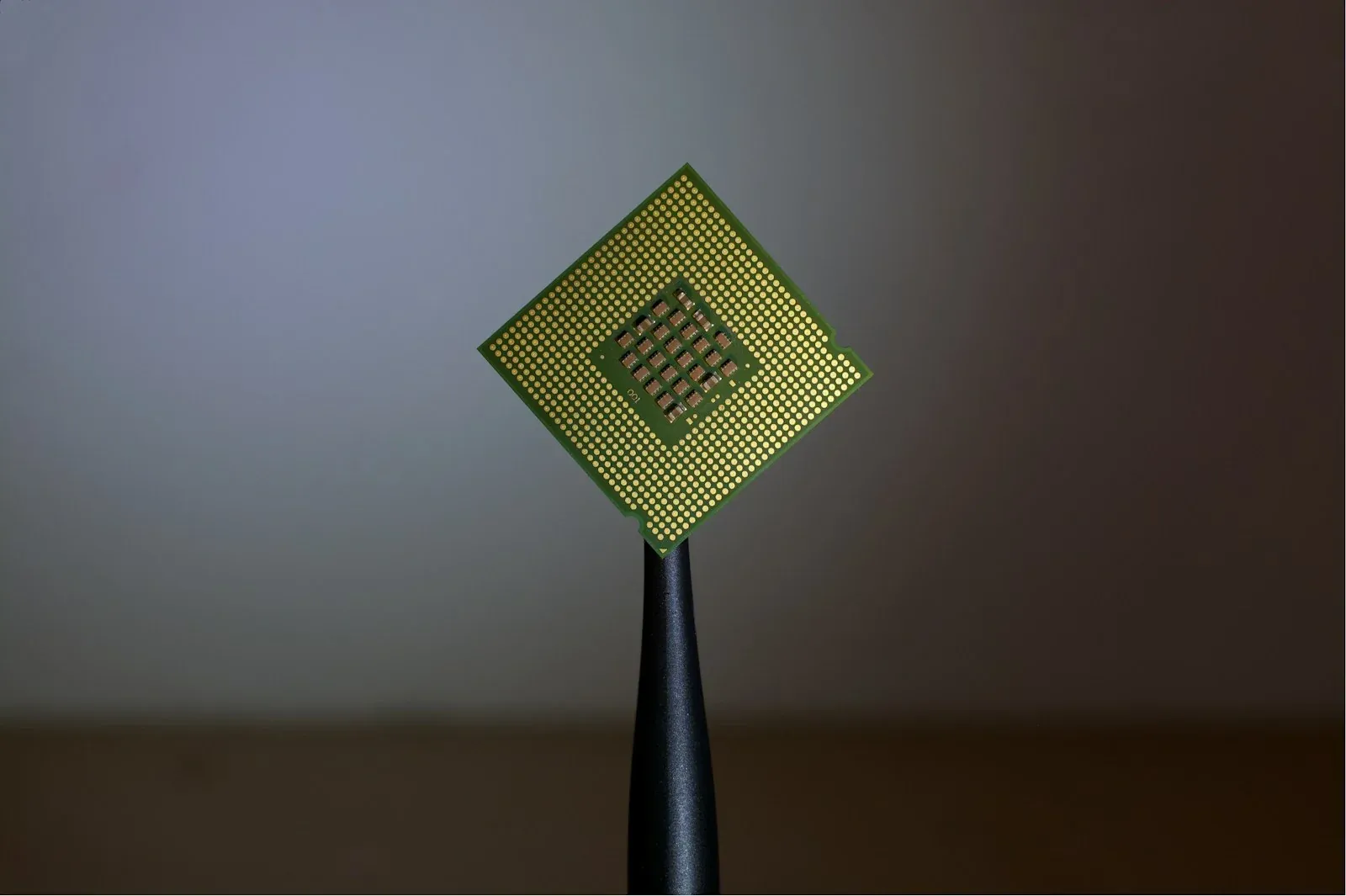
Etched shipped an ASIC called Sohu that does exactly one thing: run transformer models. No graphics, no general compute, no training loops. Just inference on the architecture that powers GPT, Llama, and everything else people actually deploy at scale. The Spheron writeup claims 20x throughput over an H100 on Llama 3.1 405B at the same power draw. The trick is stripping out everything that makes a GPU flexible. Sohu has no programmable shader units, no dynamic memory hierarchy, no support for CNNs or diffusion models. It is a transformer inference engine in silicon. Nvidia sells you a Swiss Army knife because most customers do not know what they need next year. Etched is betting the opposite: if you are serving LLMs at production scale, you know exactly what architecture you are running, and you will keep running it for the next hardware refresh cycle. The risk is obvious. If transformers stop being the dominant architecture, Sohu becomes a very expensive paperweight. But if attention mechanisms stay central to LLMs, an ASIC that does one thing well beats a GPU doing a thousand things adequately. This is the same calculation Google made with TPUs, except Etched is selling to everyone instead of keeping it internal. The question is whether the market splits into general-purpose training on GPUs and specialised inference on ASICs, or if Nvidia’s software moat keeps everyone buying H100s even when a cheaper, faster alternative exists for the workload they actually run.
Source: Etched Sohu vs. Nvidia: Transformer ASIC vs. GPU (2026)