amd A field note by Vikrant Sharma
AMD removed memory encryption from consumer Ryzen CPUs and nobody noticed
A firmware update silently killed Transparent Memory Encryption on consumer chips. The engineers stopped replying when users asked why.
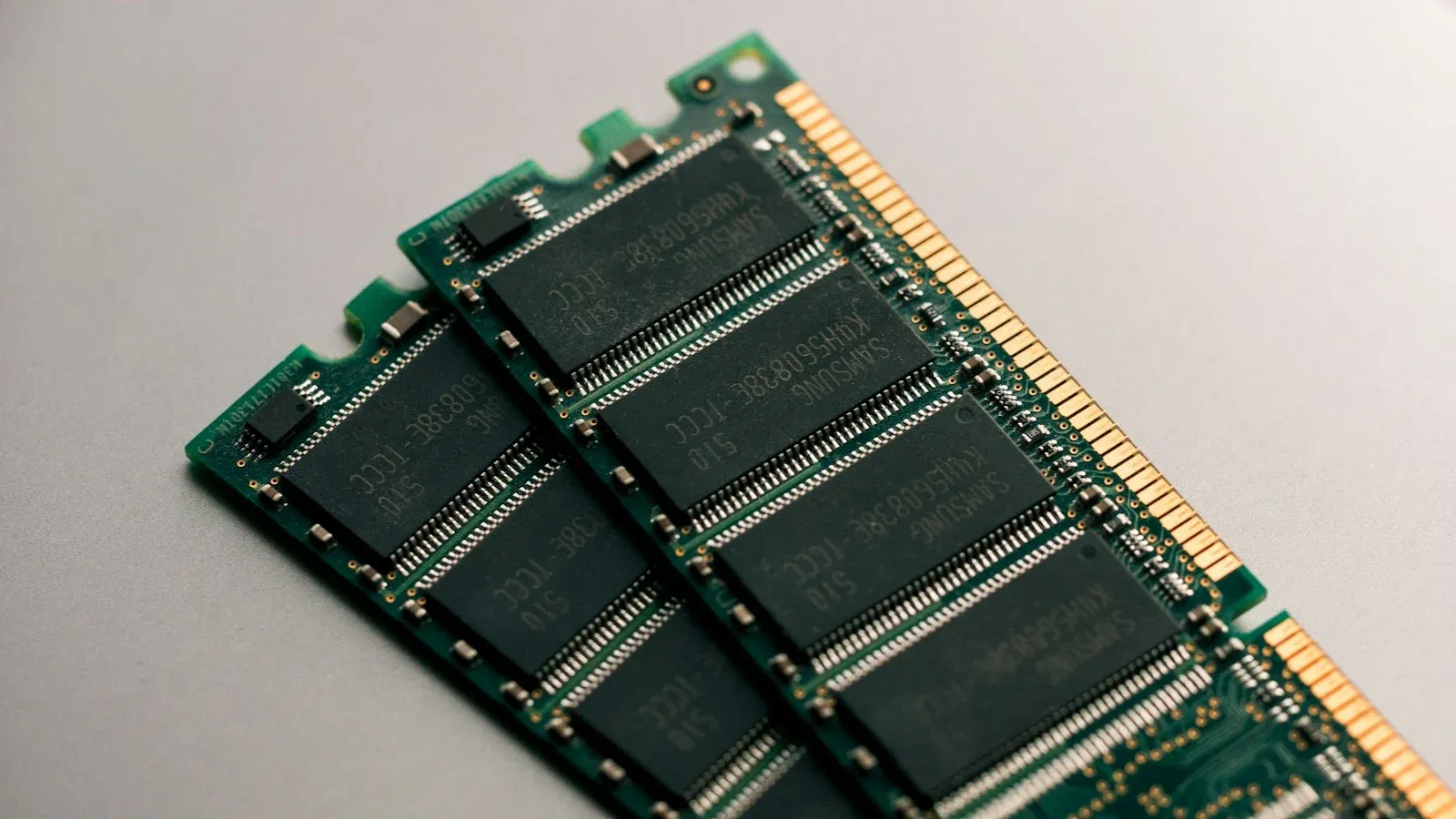
AMD quietly disabled memory encryption on consumer Ryzen processors through a firmware update. No announcement. No changelog note. Just gone. The feature is Transparent Memory Encryption, or TME. It encrypts RAM contents so someone with physical access to your machine cannot read memory directly. Useful if you work on a laptop in public or handle data that should not survive a cold boot attack. AMD shipped it on consumer chips since Zen 3, marketed it as a security win over Intel, then removed it sometime after AGESA 1.0.0.6. Users discovered the change when Linux kernel logs stopped showing the TME flag. They filed bug reports. AMD engineers went silent. No explanation about whether this was intentional, a bug, or a licensing issue with the enterprise EPYC line. The cynical read is market segmentation. TME still works on EPYC servers. Threadripper Pro kept it. Consumer Ryzen lost it. If you want encrypted memory now, you buy the expensive chip. What annoys me is the silence. Firmware updates should not delete security features without a line in the release notes. If there is a technical reason, say it. If it is product positioning, own it. Radio silence makes it look like they hoped nobody would notice. I am not running workloads that need TME, but I would be furious if I built a system around that feature and it vanished in a BIOS update. This is the kind of move that makes people freeze firmware versions and never update again, which creates worse security problems down the line.
Source: AMD silently removes memory encryption from consumer Ryzen CPUs